
Picture this: Tankers loaded with 20% of the world’s daily oil supply are sitting idle like cars in the world’s most expensive traffic jam. No one’s moving. Insurance rates are through the roof. Mines and missiles are real threats. And Americans are feeling it every time they fill up the truck, pay the grocery bill, or get a new freight quote.
Welcome to the Strait of Hormuz closed 2026 crisis — still effectively closed more than two months after Iran shut it down on February 28, 2026. Traffic is running at a pathetic 3.3% of normal. As of today, the live tracker shows just a handful of vessels in the last 24 hours instead of the usual 60.
At Elite HR Logistics, we don’t just move freight — we help businesses stay ahead of chaos like this. So let’s break down exactly what’s happening, why it matters to American supply chains, and what smart shippers are doing about it.
Why the Strait of Hormuz Still Matters (Even If You’ve Never Heard of It)
This narrow waterway between Iran and Oman is the oil superhighway of the planet:
- Roughly 20% of global seaborne crude oil and LNG flows through it daily.
- It’s the exit ramp for oil from Saudi Arabia, Iraq, UAE, Kuwait, and Qatar.
- No easy detour exists — rerouting around Africa adds weeks and massive costs.
When Iran effectively closed it, the global energy market went into shock. Even after brief reopening windows and U.S. escort attempts, shipping companies are still staying away. The risk is simply too real.
The U.S. Impact: Higher Pump Prices, Booming Exports, and Freight Chaos
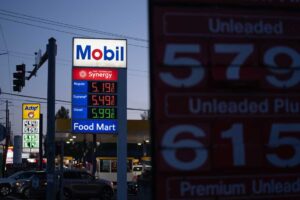
Here’s the good-news/bad-news American story:
The pain at the pump and in your logistics budget Diesel has spiked hard. Gasoline is up more than 50 cents nationally in many markets. Bunker fuel costs are driving freight rates 30–50% higher on affected routes. Trucking companies are passing surcharges straight through.
The silver lining for U.S. energy producers While the Middle East is bottled up, America is stepping up. U.S. crude exports just hit record highs and refined product exports reached an all-time high. Great for domestic producers, but it doesn’t lower the price at your local pump or reduce your freight bill.
Supply chain ripple effects hitting U.S. businesses
- Fertilizer and chemical shortages → higher food and ag prices down the road.
- Delayed container and breakbulk cargo.
- Inflation pressure that economists warn could linger if this drags on.
5 Real Ways the Strait of Hormuz Closed 2026 Affects American Logistics Right Now
- Fuel surcharges are the new normal.
- Capacity is tightening — carriers are picky and low-rate loads get rejected fast.
- Longer lead times even on domestic moves.
- Opportunity for nearshoring and U.S. sourcing.
- Smart importers are locking in rates and diversifying ports now.
What Elite HR Logistics Is Doing (And How We Can Help You)
We’re not waiting for the next headline. Our team is:
- Monitoring live shipping data and rerouting options daily.
- Negotiating fuel-adjusted contracts with carriers.
- Helping clients shift to U.S.-sourced alternatives where it makes sense.
- Building resilient supply chains that don’t crumble when one chokepoint sneezes.
Whether you’re moving containers from Asia, trucking across the Midwest, or exporting American goods overseas, the Strait of Hormuz closed 2026 is rewriting the rules.
Need staffing help for your business? We’ve helped hundreds of companies nationwide find better talent for the past 25 years.
If you’re an employee looking for better opportunities, head to our job board!